Draco
The Night CleanerDraco is the gods’ chosen leader of humanity’s heroes, entrusted with powers intended to protect mortals after the gods turn against their own children. That elevation makes him a symbol of both divine favoritism and the human resistance to come. It also fuels Dorian’s hatred. Yet Draco’s story does not end with their rivalry: through Rose’s death, a decision to reverse time, and a final reconciliation with Dorian, he becomes part of a future in which the dead are restored and former enemies can begin again.
Identity and Divine Selection
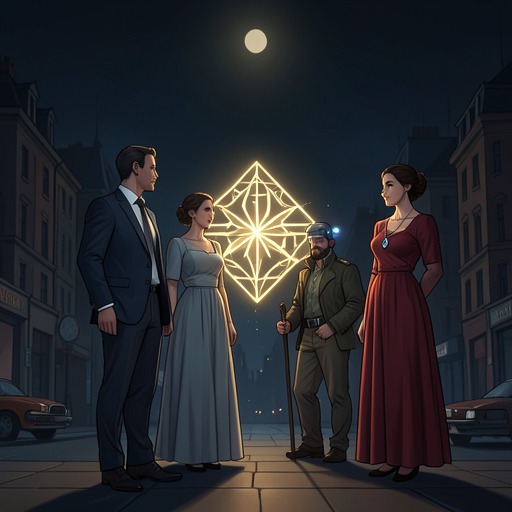
Draco’s defining place in the story begins when The gods select him as the leader of the heroes. Dorian witnesses the choice directly: the gods give Draco their power and mark his back with their divine symbols. The scene makes the appointment more than an honorific. The gods intend him to protect humanity, and their powers are to pass into mortal blood so that gifted people can be trained and led under his direction.
The choice is sharpened by what it excludes. Dorian has survived the slaughter of the demigods, including children of the gods, and sees Draco selected over those divine families. His resentment grows from that contrast: Draco receives the trust and power denied to the demigods, while Dorian is left to live with the destruction. The same act therefore establishes Draco as a protector in the gods’ plan and, from Dorian’s perspective, as the visible emblem of an unjust choice.
Draco’s position carries a practical burden as well as symbolic weight. The empowered mortals need a leader who can train them, and the gods’ last attempt to save humanity places that responsibility on him. His role is tied to action rather than mere inheritance: he is expected to organize and guide people who must defend the world after divine power has entered mortal hands.
Conflict with Dorian
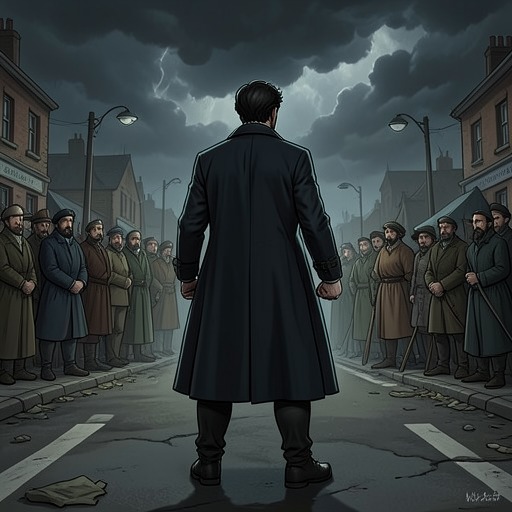
Draco and Dorian meet as opponents with sharply different visions of how to make the world better. Draco demands an end to Dorian’s plans and the harm they cause; Dorian answers that both men seek improvement, but imagine different means and outcomes. Their confrontation is controlled on Draco’s side. Though angry, he holds himself in check, and Dorian recognizes that Draco is not giving him the emotional reaction he might want.
Their hostility is complicated by a connection neither can reduce to simple opposition. Dorian reveals that he survived the demigods’ deaths by taking a tonic that made him appear dead. He had served as a healer in battle and says he witnessed the end of the gods alongside Draco, whom he addresses as a brother with evident bitterness. Draco also understands that they share blood, making them family to some degree. The knowledge clarifies their connection without repairing it: kinship exists alongside Dorian’s resentment and Draco’s attempt to stop him.
When Draco urges him to face his pain and abandon the path of hatred, Dorian refuses to stop. Draco’s appeal is not a claim that their conflict has already been settled; it is an effort to leave open the possibility of changing course. Dorian’s response remains hostile, and the exchange ends without reconciliation. That failure gives their later cooperation greater weight: it follows a genuine refusal, not a misunderstanding that could be cleared away at once.
Rose and a Mortal Future
Draco’s relationship with Rose gives his long struggle a private stake. He thinks about their possible future and the limits built into it: even if the coming war could be prevented, Rose would live a mortal life while he expected to outlast her. The prospect of loving someone whose lifetime would end before his own makes peace feel uncertain rather than simple. His immortality offers survival, but not the assurance of lasting companionship.
He proposes to Rose without the elaborate romantic setting he thinks he ought to have chosen. At the gym, he stops the treadmill, catches her when its sudden change of pace unsettles her, and asks her to marry him while holding her. The impulsive gesture suits the directness of his attachment. By the time the story reaches the later crisis, Rose is his wife, and their shared future is no longer an abstraction he can consider from a distance.
During the emergency, Draco and Rose stay together through the morning before she leaves to help Asher calm a frightened city. Dorian’s television appearance has intensified public panic, and the destruction of the bridge and loss of electricity have made the situation worse. Their separation is therefore part of the wider crisis, not a withdrawal from one another. Draco’s farewell conveys love, while the duties of the moment pull them into different parts of the struggle.
Loss and the Decision to Reverse Time
The battle strips away the future Draco had imagined. He sees Leon and Lilith dead together in the grass, and the sight intensifies his anger toward Dorian. Soon after, Rose is fatally wounded. Draco apologizes, tells her he loves her, and understands that the wound cannot be repaired. Their recognition that they have had too little time brings the earlier fear of outliving her into immediate reality: what had once been a distant condition of his immortality becomes an unbearable present loss.
When the possibility of reversing time arises, Draco accepts it even though Rose may not remember him after the change. He believes that love can save them, including Dorian, and is willing to face an uncertain reunion rather than keep a world in which she is gone. His decision makes the emotional cost of the remedy explicit: time reversal may restore lives, but Draco cannot assume that it will preserve every shared memory or relationship in its original form.
Reconciliation and Narrative Significance
In the restored future, the account explains that Asher, with help from Dorian and Draco, breaks into time and reverses it to a point before the trouble began, when everyone is alive. The group retains its memories. Draco’s first decisive gesture after the reversal is to pull Rose into his arms and hold her tightly; Lilith smiles at them as Leon draws her close. The scene answers the deaths of the battle not by denying what happened, but by setting remembered loss beside restored life.
Dorian, too, has changed. He has let go of his villainous course and is welcomed as someone who may join the group as family. Draco accepts this new beginning rather than returning to the earlier demand that Dorian simply stop. The movement from brotherly hostility to cooperation is sealed in the final image: Dorian clasps Draco’s hand, the sun rises, and Draco raises their joined hands in a toast to the new start and the adventures ahead.
Draco’s arc thus connects the story’s public and intimate stakes. The gods appoint him to lead mortals, but his decisive choices are also shaped by loyalty, grief, and belief in love. His selection first divides him from Dorian; their shared action in reversing time allows that division to change. Beside Rose, and finally beside Dorian, Draco enters a future made possible not by forgetting the old one but by carrying its memories into a second chance.